Ginger, turmeric, and curcumin are closely related plants, but they differ in their botanical origins, chemical composition, and health benefits. Here’s an explanation of their relationships and differences:
1. Botanical Relationships
- Ginger (Zingiber officinale): Ginger is a flowering plant in the Zingiberaceae family, widely used as a spice and in traditional medicine. The part of the plant used is the rhizome (underground stem).
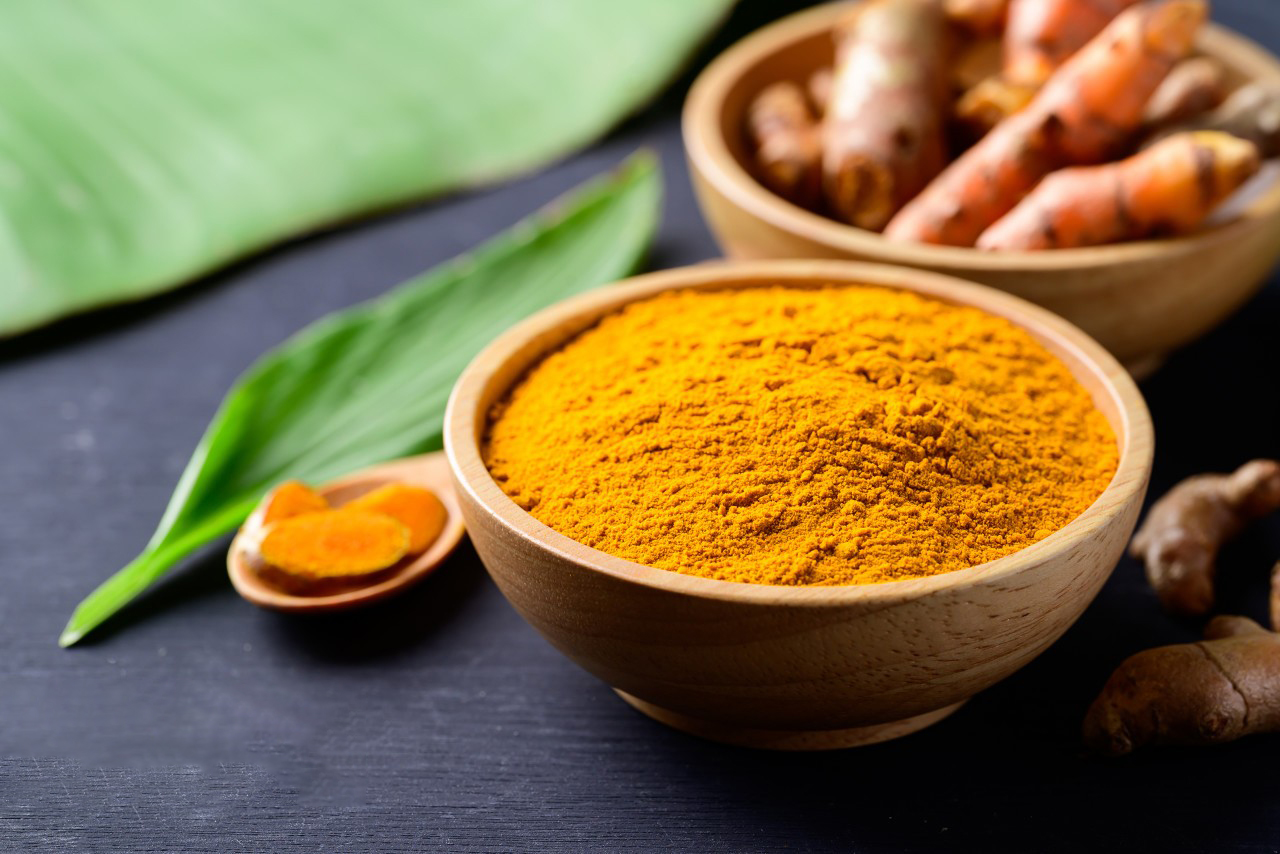
- Turmeric (Curcuma longa): Turmeric is also in the Zingiberaceae family, closely related to ginger. It is a flowering plant, and its rhizomes are commonly used as a spice, primarily for their bright yellow color and flavor.
- Curcumin: Curcumin is not a plant but a chemical compound found in turmeric. It is the primary active ingredient responsible for many of turmeric’s medicinal properties.
2. Differences in Chemical Composition
- Ginger: Contains bioactive compounds like gingerol (which gives ginger its characteristic flavor and many of its medicinal properties). Gingerol has antioxidant and anti-inflammatory properties.
- Turmeric: Contains curcumin as its main active ingredient, but also includes other compounds like demethoxycurcumin and bisdemethoxycurcumin. Curcumin is responsible for the golden color and most of turmeric’s health benefits.
- Curcumin: It is a polyphenolic compound with strong antioxidant, anti-inflammatory, and anticancer properties. While curcumin is found in turmeric, its concentration is relatively low (about 3-5%).
3. Health Benefits
- Ginger: Known for its anti-nausea, digestive, anti-inflammatory, and pain-relieving properties. It is commonly used to treat conditions like motion sickness, arthritis, and indigestion.
- Turmeric: Often used for its anti-inflammatory and antioxidant properties. It has been studied for its potential in managing chronic conditions like arthritis, heart disease, and some cancers.
- Curcumin: As the main bioactive compound in turmeric, curcumin has similar benefits. It is frequently studied for its ability to reduce inflammation, oxidative stress, and its potential anticancer and neuroprotective effects. However, curcumin has low bioavailability on its own, meaning it is not easily absorbed by the body without the help of compounds like piperine (found in black pepper).
4. Culinary Uses
- Ginger: Commonly used fresh, dried, or powdered in a variety of dishes, especially in Asian and Indian cuisine. It’s also a popular ingredient in teas and beverages.
- Turmeric: Typically used ground and powdered, turmeric is the primary spice in curry powder and is used to flavor rice, meats, and vegetables.
- Curcumin: Curcumin is typically consumed through turmeric supplements or extracts, but it is not commonly used on its own in cooking due to its low concentration and bioavailability.
Summary
- Ginger and turmeric are both from the Zingiberaceae family but are different plants with distinct active compounds. Ginger contains gingerol, while turmeric contains curcumin.
- Curcumin is the active chemical in turmeric that is responsible for many of its health benefits, but it’s often taken as a supplement due to its low natural concentration in the plant.
- While both ginger and turmeric have medicinal properties, they have different active compounds and therapeutic effects, with ginger focusing more on digestive and anti-nausea benefits, and turmeric (and curcumin) focusing on inflammation and long-term health benefits.
评论
发表评论