Curcumin, the primary active compound in turmeric (Curcuma longa), has been widely studied for its diverse pharmacological effects, many of which have potential therapeutic implications. Here’s a summary of some key pharmacological effects of curcumin:
1. Anti-inflammatory Effects
Curcumin is known for its strong anti-inflammatory properties, primarily through the inhibition of nuclear factor kappa-B (NF-κB) and cyclooxygenase (COX) enzymes. By suppressing pro-inflammatory cytokines (like IL-1, IL-6, and TNF-α), curcumin can reduce chronic inflammation, which is central to many diseases.
2. Antioxidant Effects
Curcumin acts as an antioxidant by neutralizing free radicals and boosting the body’s antioxidant enzymes, including superoxide dismutase and catalase. This reduces oxidative stress, which is linked to aging and a range of diseases such as cancer, cardiovascular diseases, and neurodegenerative disorders.

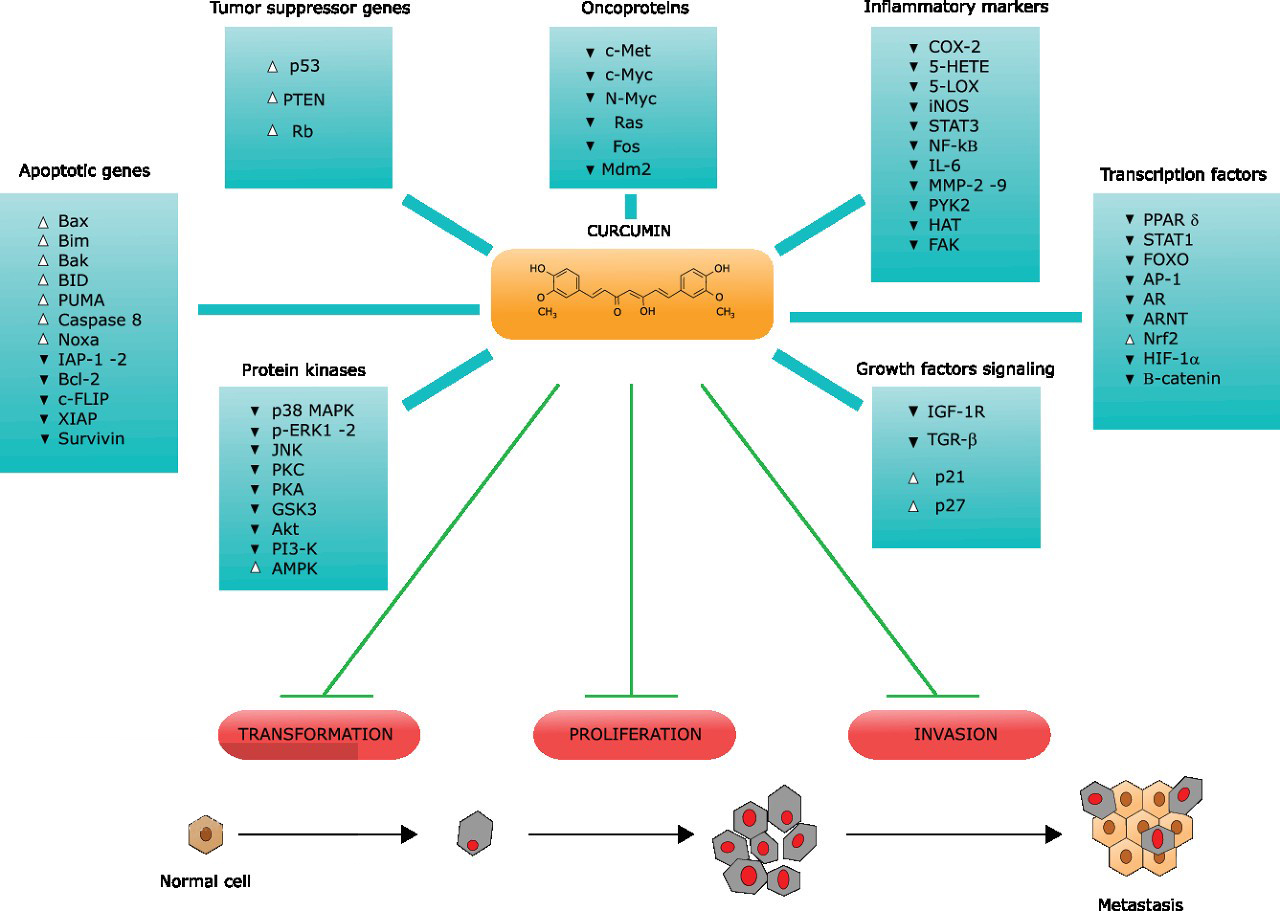
3. Anticancer Properties
Curcumin has shown potential as an anticancer agent through multiple mechanisms, including:
- Inhibiting cancer cell proliferation and promoting apoptosis (programmed cell death).
- Inhibiting angiogenesis (formation of new blood vessels in tumors) and metastasis (spread of cancer cells).
- Affecting gene expression related to cancer growth, such as downregulating oncogenes and upregulating tumor suppressor genes.
- It has shown promise in various cancer models, including breast, prostate, colon, and pancreatic cancers.
4. Cardioprotective Effects
Curcumin benefits cardiovascular health by improving endothelial function, reducing cholesterol, and preventing lipid oxidation. Its anti-inflammatory and antioxidant effects also help protect against atherosclerosis, hypertension, and heart failure.
5. Neuroprotective Effects
Curcumin is studied for its role in preventing and potentially treating neurodegenerative diseases like Alzheimer’s and Parkinson’s. It crosses the blood-brain barrier, reduces beta-amyloid plaques, and mitigates oxidative stress and inflammation in the brain. Curcumin also modulates neurotransmitter levels, which can improve mood and cognitive function.
6. Antimicrobial and Antiviral Effects
Curcumin exhibits broad-spectrum antimicrobial activity against bacteria, viruses, fungi, and parasites. It has been shown to inhibit pathogens such as Helicobacter pylori, HIV, influenza virus, and even certain drug-resistant bacterial strains.
7. Gastroprotective Effects
Curcumin promotes gut health by reducing inflammation in the gastrointestinal tract, potentially helping in the management of inflammatory bowel disease (IBD), ulcerative colitis, and irritable bowel syndrome (IBS). It also has a protective effect on the stomach lining, which may prevent ulcer formation.
8. Anti-diabetic and Metabolic Effects
Curcumin helps improve insulin sensitivity and reduces blood glucose levels, which can benefit individuals with type 2 diabetes. It also reduces hyperlipidemia (high lipid levels) and inhibits enzymes involved in fat accumulation, potentially supporting weight management and metabolic health.
9. Immunomodulatory Effects
Curcumin enhances immune response by modulating the activity of immune cells, such as T cells, B cells, and macrophages. This makes it useful in conditions where immune balance is needed, such as autoimmune diseases and chronic inflammatory conditions.
10. Antidepressant and Anxiolytic Effects
Curcumin has shown potential as a natural antidepressant and anxiolytic by modulating neurotransmitter levels like serotonin and dopamine. It also reduces inflammation in the brain, which is often associated with mood disorders.
Challenges and Bioavailability
One major challenge with curcumin is its low bioavailability. It is poorly absorbed, rapidly metabolized, and quickly eliminated from the body. To counter this, curcumin formulations are often combined with piperine (from black pepper), liposomes, or nanoparticles to enhance its absorption and bioavailability.
Curcumin’s broad pharmacological effects make it a promising natural therapeutic agent, though further studies, especially clinical trials, are needed to fully understand and harness its potential in medical treatments.
评论
发表评论