Origin of Propolis Powder
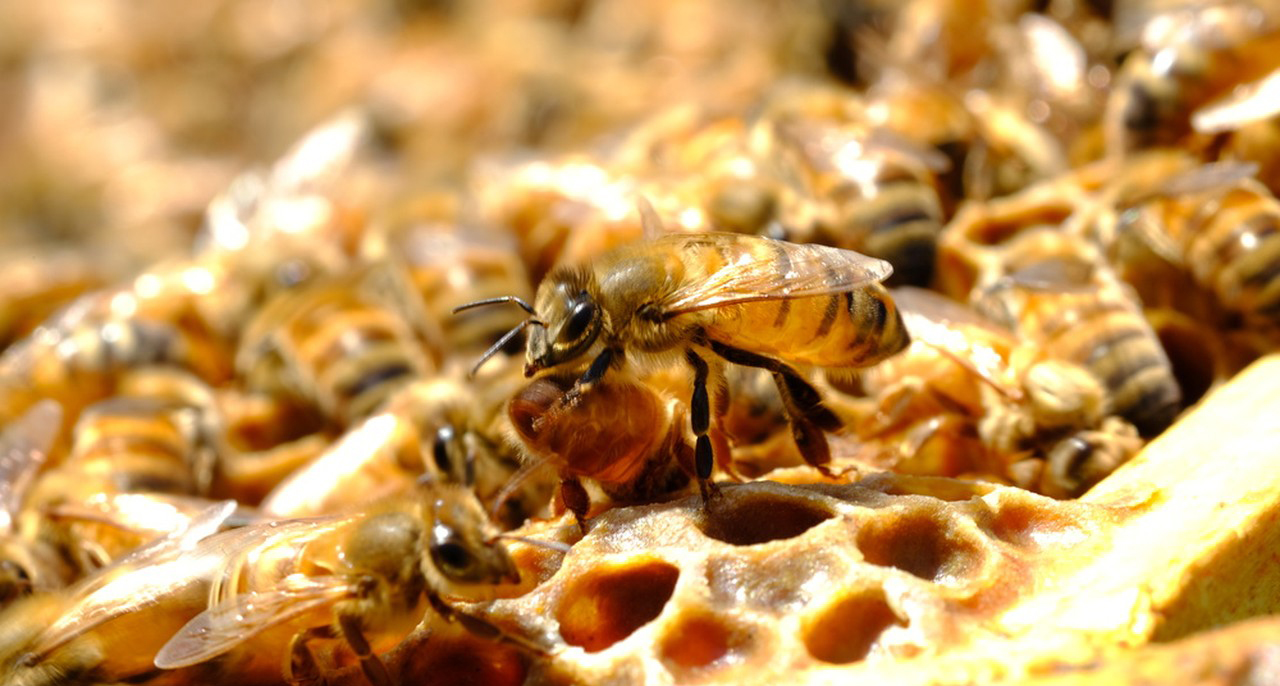
Propolis, often called “bee glue,” is a natural resinous substance collected by honeybees from the buds of trees, particularly coniferous trees, and various plants. Bees mix this resin with their saliva and beeswax to create a substance used for sealing cracks in the hive and protecting it from invaders like bacteria, fungi, and viruses. Propolis is produced in various regions of the world, with different geographic areas providing propolis with unique chemical compositions due to the variation in local plants and trees.
Propolis powder is derived by drying propolis and grinding it into a fine powder. The powder is then processed and may be used in various forms, such as capsules, tinctures, and topical preparations. The process of converting propolis into a powder helps preserve its active components while allowing for easy incorporation into dietary supplements, skincare products, or medicinal preparations.
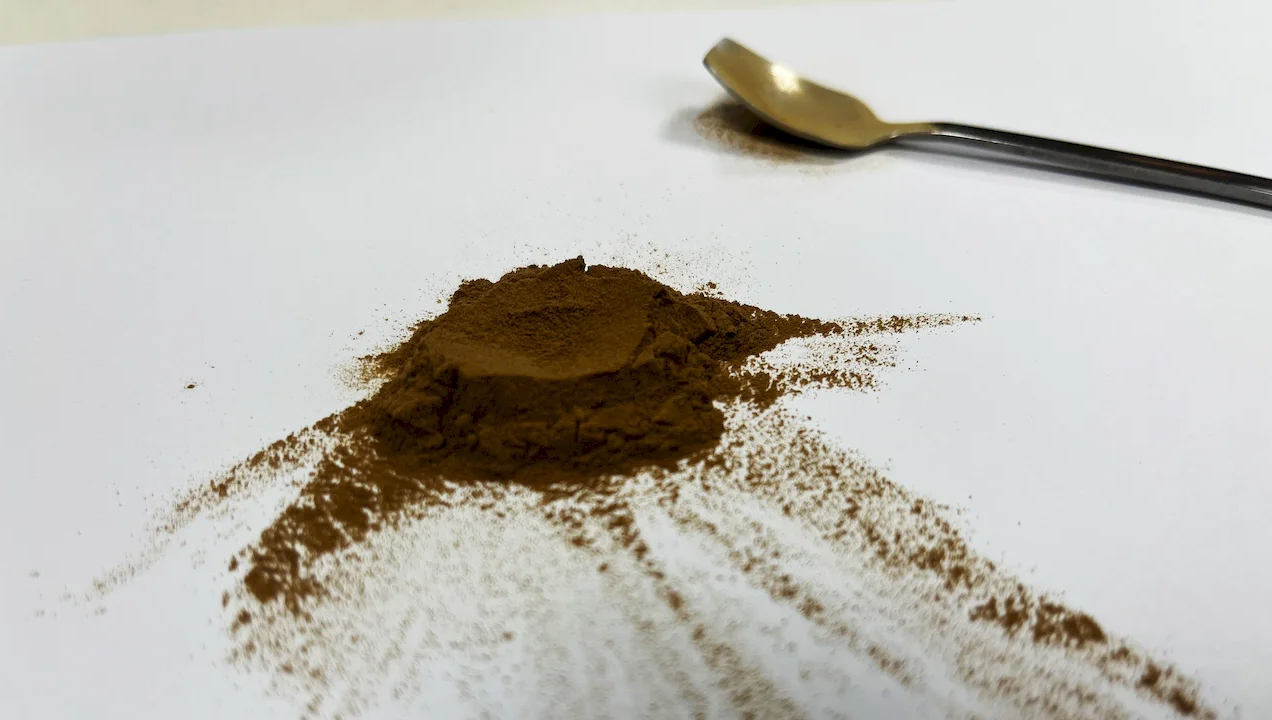
Properties of Propolis Powder
Propolis is known for its bioactive properties, which make it highly valued in both traditional medicine and modern health products. Some of the key properties of propolis powder include:
- Antioxidant Activity: Propolis is rich in flavonoids, phenolic acids, and other compounds that have strong antioxidant effects. These compounds help neutralize free radicals and protect cells from oxidative damage.
- Antibacterial and Antifungal: Propolis has natural antibacterial and antifungal properties, making it effective in fighting infections, particularly in the respiratory and digestive systems. It helps inhibit the growth of bacteria and fungi.
- Anti-inflammatory: Propolis powder can help reduce inflammation in the body, which is beneficial for conditions like arthritis or other inflammatory diseases.
- Immune System Support: The bioactive compounds in propolis support the immune system by enhancing the body’s ability to fight infections and diseases. Studies have shown that propolis can help stimulate the production of immune cells and promote healing.
- Wound Healing: When applied topically, propolis powder can help speed up the healing of minor wounds, burns, and cuts by promoting tissue regeneration and reducing infection.
- Antiviral Properties: Some studies suggest that propolis can have antiviral effects, making it a potential aid in fighting viral infections, including colds and flu.
- Detoxification: Propolis has been known to support the detoxification process by removing harmful toxins from the body, helping improve overall health.
Introduction of Propolis Powder
Propolis powder has been used for thousands of years in traditional medicine across various cultures. Ancient Egyptians used it for embalming and medicinal purposes, and it was also valued by the Greeks and Romans. Modern science has confirmed many of the beneficial properties attributed to propolis, and it has gained popularity as a natural remedy for a variety of ailments.
The introduction of propolis powder came as a way to make it easier to incorporate propolis into daily health routines. As more people turned to natural and herbal remedies, propolis powder became a more accessible and versatile form of the substance. It can be easily mixed into beverages like smoothies or teas, or encapsulated for those who prefer a supplement form. Additionally, propolis powder can be used in cosmetics, particularly in products aimed at healing and protecting the skin.
In the supplement industry, propolis powder is often used as a natural ingredient in products designed to boost immunity, improve skin health, or support oral hygiene. Its growing popularity is also fueled by its potential as a natural alternative to conventional pharmaceuticals for managing various health conditions.
Applications of Propolis Powder
Dietary Supplements: Propolis powder is commonly encapsulated in pill or capsule form, serving as a daily supplement for immune support and overall health.
- Skincare: Due to its anti-inflammatory and healing properties, propolis powder is often used in creams, balms, and lotions aimed at treating acne, eczema, wounds, and other skin conditions.
- Oral Care: Propolis is sometimes included in toothpaste and mouthwash due to its antibacterial properties, which help promote oral health by preventing gum disease and bad breath.
- Natural Remedies: Propolis powder is used in the preparation of tinctures or teas to support immune health or treat respiratory infections like colds and sore throats.
Conclusion
Propolis powder is a versatile and potent natural substance with a wide array of health benefits. Its antioxidant, antibacterial, anti-inflammatory, and immune-boosting properties make it a valuable supplement in both modern and traditional medicine. The powdered form allows for greater convenience and incorporation into everyday health practices, further contributing to its growing popularity in natural health circles.
评论
发表评论