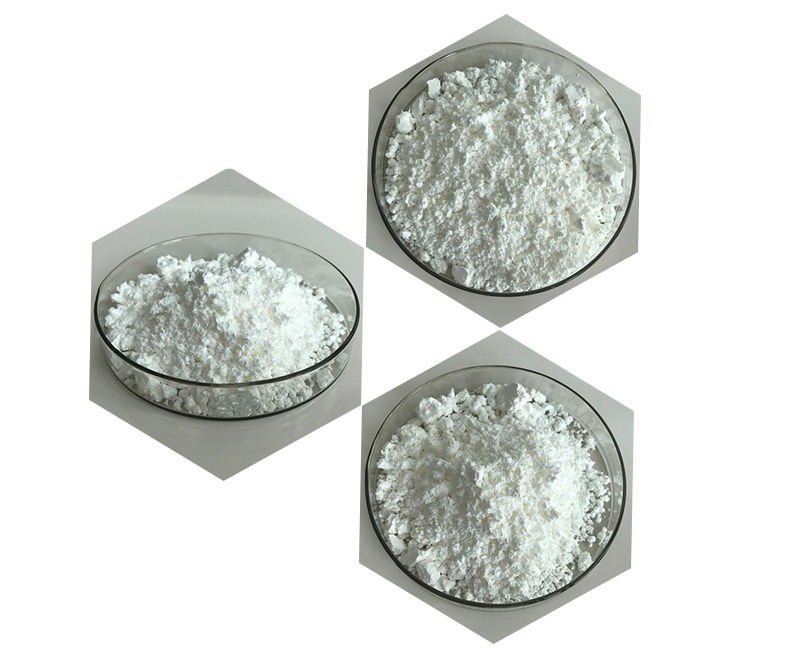
L-Carnosine, scientifically known as beta-alanyl-L-histidine, is a dipeptide composed of the amino acids beta-alanine and histidine. It was first discovered in 1900 by Russian chemist Vladimir Gulevich. L-Carnosine is found abundantly in muscle and brain tissues in mammals, including humans.
Origin of L-Carnosine:
L-Carnosine is naturally synthesized in the body through enzymatic reactions involving beta-alanine and histidine. It’s found particularly in high concentrations in skeletal muscle tissue but is also present in other tissues such as the brain and the heart.
Nature of L-Carnosine:
L-Carnosine is renowned for its antioxidant properties and its ability to buffer pH levels in muscles, which helps to reduce fatigue during high-intensity exercise. It also has metal-chelating properties, meaning it can bind to and neutralize harmful metal ions in the body.
Introduction of L-Carnosine:
L-Carnosine gained attention for its potential health benefits and therapeutic applications. It is available as a dietary supplement and has been studied for its various effects on health, including:
1.Antioxidant Properties: L-Carnosine scavenges free radicals, which are harmful molecules that can damage cells and contribute to aging and disease.
2.Anti-glycation Activity: Glycation is a process where sugars react with proteins, leading to the formation of advanced glycation end products (AGEs), which are implicated in the aging process and various age-related diseases. L-Carnosine may help inhibit this process.
3.Neuroprotective Effects: L-Carnosine has shown promise in protecting against neurodegenerative diseases such as Alzheimer’s and Parkinson’s disease by mitigating oxidative stress and reducing inflammation in the brain.
4.Wound Healing: Some research suggests that L-Carnosine may promote wound healing by accelerating tissue repair and reducing inflammation at the wound site.
5.Anti-inflammatory Properties: L-Carnosine has demonstrated anti-inflammatory effects, which may be beneficial for conditions characterized by chronic inflammation.
6.Chelating Properties: L-Carnosine’s ability to chelate metal ions such as copper and zinc may have implications for managing certain health conditions where metal ion imbalances are involved.
L-Carnosine supplements are available in various forms, including capsules, tablets, and powders. However, as with any supplement, it’s important to consult with a healthcare professional before starting supplementation, especially if you have existing health conditions or are taking medications. Additionally, the efficacy and safety of L-Carnosine supplementation for specific health conditions may vary, and further research is needed to fully understand its mechanisms of action and potential benefits.
Potential benefits of L-Carnosine
L-Carnosine is a dipeptide composed of two amino acids, beta-alanine and histidine, and is naturally found in high concentrations in the muscles and brain. While research on L-Carnosine is still ongoing, there are several potential benefits associated with its supplementation:
1.Antioxidant Properties: L-Carnosine is known for its antioxidant properties, helping to neutralize free radicals in the body. This can potentially reduce oxidative stress and damage to cells and tissues.
2.Anti-Aging Effects: Some studies suggest that L-Carnosine may have anti-aging effects, possibly by protecting cells from damage and supporting cellular function. It may also inhibit the formation of advanced glycation end products (AGEs), which are associated with aging.
3.Brain Health: L-Carnosine is found in high concentrations in the brain, and research suggests that it may have neuroprotective effects. It may help support cognitive function and protect against age-related cognitive decline.
4.Muscle Function and Performance: L-Carnosine is present in high amounts in skeletal muscles. Some studies indicate that supplementing with L-Carnosine may improve exercise performance, reduce muscle fatigue, and enhance recovery.
5.Immune System Support: There is evidence to suggest that L-Carnosine may have immune-modulating effects, potentially enhancing the activity of certain immune cells and supporting overall immune function.
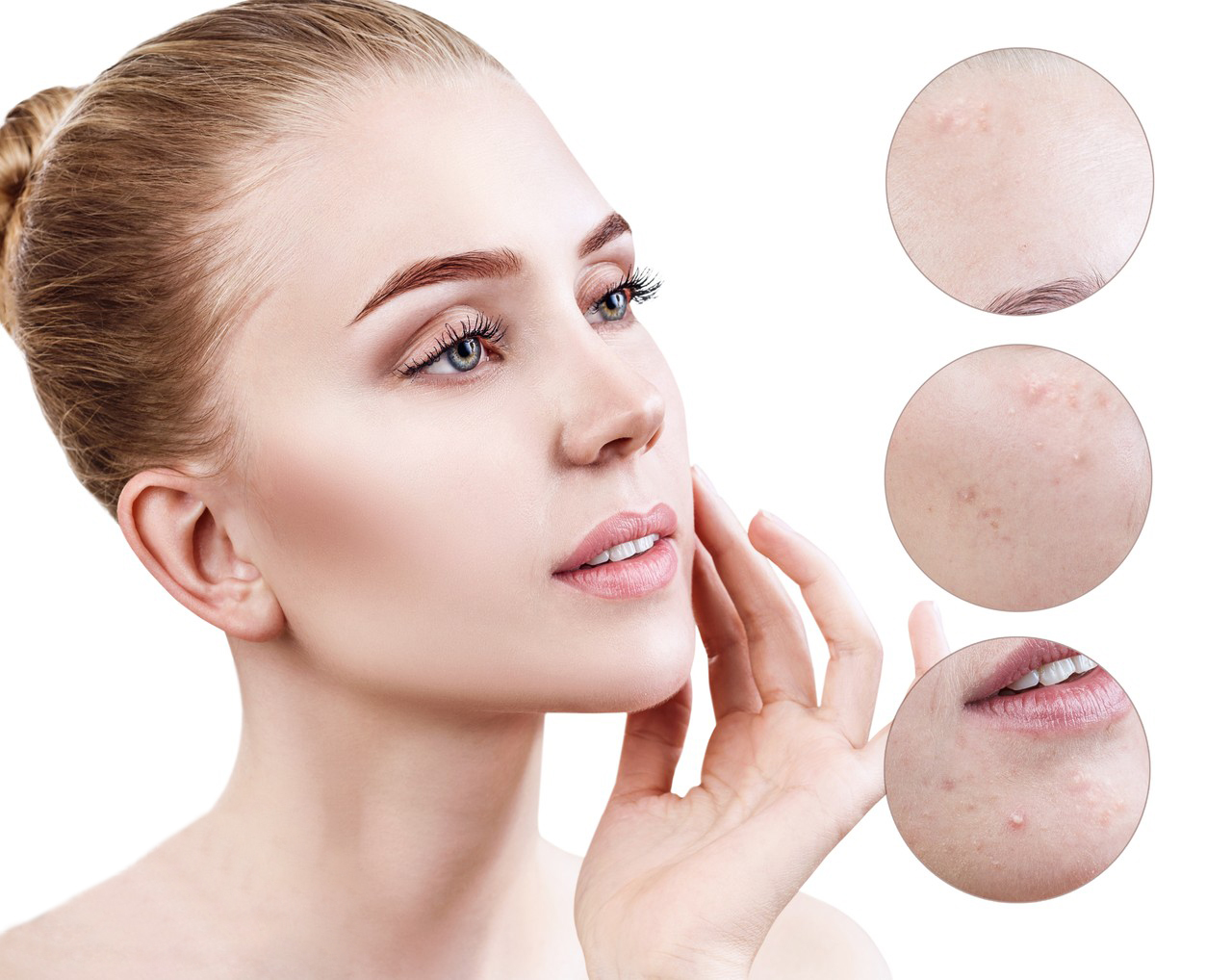
6.Wound Healing: L-Carnosine may play a role in the wound healing process by promoting tissue repair and regeneration.
7.Eye Health: Some research suggests that L-Carnosine may be beneficial for eye health, potentially helping to protect against conditions such as cataracts and age-related macular degeneration (AMD).
8.Gastrointestinal Health: L-Carnosine has been studied for its potential protective effects on the gastrointestinal mucosa, which may be beneficial in conditions such as gastritis and peptic ulcers.
It’s important to note that while there is promising research on the potential benefits of L-Carnosine, more studies are needed to fully understand its mechanisms and effectiveness in various health conditions. Additionally, individual responses to supplementation can vary, and it’s advisable to consult with a healthcare professional before adding any new supplement to your routine, especially if you have pre-existing health conditions or are taking medications.
评论
发表评论