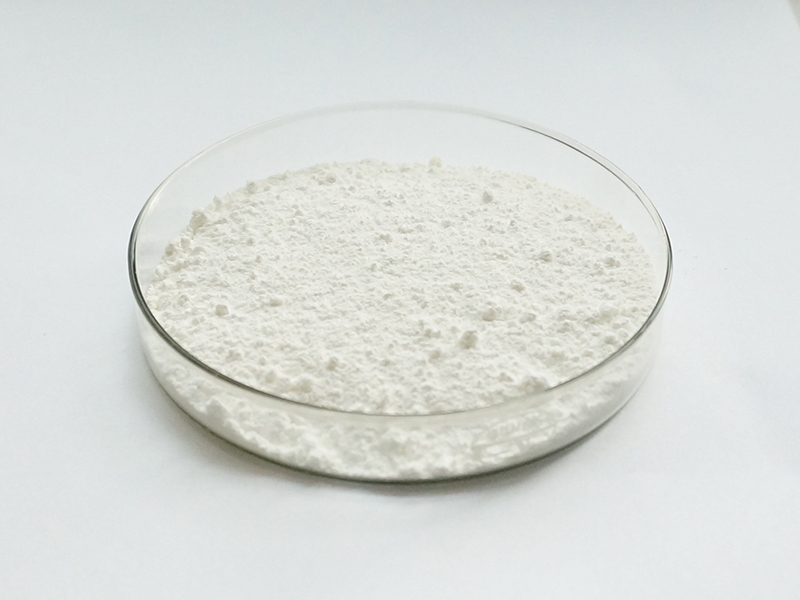
Zinc gluconate is a form of zinc, an essential trace element that plays a crucial role in various physiological processes within the human body. It is commonly used as a dietary supplement to address zinc deficiencies and to support overall health. Here is a comprehensive study of zinc gluconate:
- Chemical Structure and Composition:
Zinc gluconate is the zinc salt of gluconic acid.
The chemical formula is C12H22O14Zn.
It typically contains around 14% elemental zinc by weight.
- Absorption and Bioavailability:
Zinc gluconate is water-soluble and generally well-absorbed by the body.
The absorption of zinc can be influenced by various factors, including dietary components and the presence of other minerals in the diet.
- Dietary Sources:
Zinc is naturally present in certain foods, such as meat, dairy products, nuts, and legumes.
Zinc gluconate is commonly found in over-the-counter supplements and is used in the fortification of some foods.
- Biological Functions of Zinc:
Zinc is an essential cofactor for numerous enzymes involved in various biochemical pathways.
It plays a crucial role in DNA synthesis, immune function, wound healing, and protein synthesis.
Zinc is also important for the proper functioning of taste and smell receptors.
- Therapeutic Uses:
Zinc gluconate is often used as a dietary supplement to address zinc deficiencies.
It is commonly used to reduce the duration and severity of common cold symptoms, although research results on its effectiveness in this regard are mixed.
- Safety and Toxicity:
Zinc is generally considered safe when taken within recommended doses.
Excessive intake of zinc can lead to toxicity, causing symptoms such as nausea, vomiting, and abdominal pain.
Chronic high doses of zinc may interfere with the absorption of other minerals, such as copper and iron.
- Research and Clinical Studies:
Research has explored the potential benefits of zinc supplementation in various health conditions, including respiratory infections, wound healing, and skin disorders.
Some studies suggest a potential role for zinc in supporting immune function.
- Forms and Dosage:
Zinc gluconate is available in various forms, including capsules, tablets, and lozenges.
The recommended daily allowance (RDA) for zinc varies by age and gender, with adults typically needing around 11 mg for men and 8 mg for women.

- Considerations and Interactions:
Zinc supplementation may interact with certain medications, including antibiotics and diuretics.
High dietary intake of phytates, found in some plant-based foods, can inhibit the absorption of zinc.
- Regulatory Status:
Zinc gluconate is generally recognized as safe (GRAS) by regulatory authorities when used in accordance with established guidelines.
It is available over-the-counter as a dietary supplement.
In conclusion, zinc gluconate is a widely used form of zinc supplementation with important roles in various physiological processes. While it is generally safe when used appropriately, individuals should be cautious about excessive intake and potential interactions with other substances. As with any supplement, it’s advisable to consult with a healthcare professional before starting zinc supplementation, especially for individuals with underlying health conditions or those taking medications.
评论
发表评论