跳至主要内容

Basic ingredients of Ferulic Acid and Where you can buy?

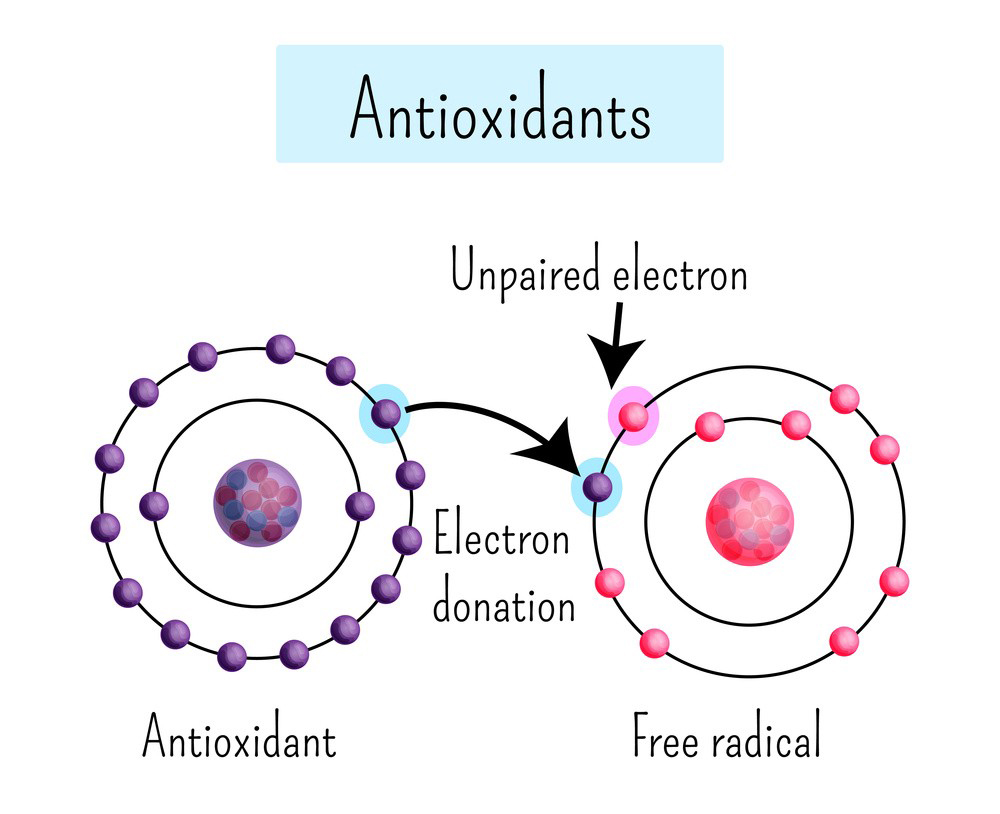
 Ferulic acid is a plant-derived antioxidant commonly found in various foods and skincare products. Its chemical structure makes it a potent free-radical scavenger. The basic components that define ferulic acid include:

1.Hydroxycinnamic Acid Backbone:

    Ferulic acid belongs to the class of hydroxycinnamic acids, characterized by a cinnamic acid core (a benzene ring with a carboxylic acid and a vinyl group).

    2.Phenolic Group (-OH):

      This hydroxyl group attached to the aromatic ring is responsible for its antioxidant properties, allowing it to neutralize free radicals.

      3.Methoxy Group (-OCH₃):

        Ferulic acid has a methoxy group attached to its aromatic ring, enhancing its stability and antioxidative efficiency.

        4.Carboxylic Acid (-COOH):

          The carboxylic acid group at the end of the molecule provides acidity and solubility characteristics.
          Basic ingredients of Ferulic Acid

          Sources in Nature

          Ferulic acid is commonly found in:

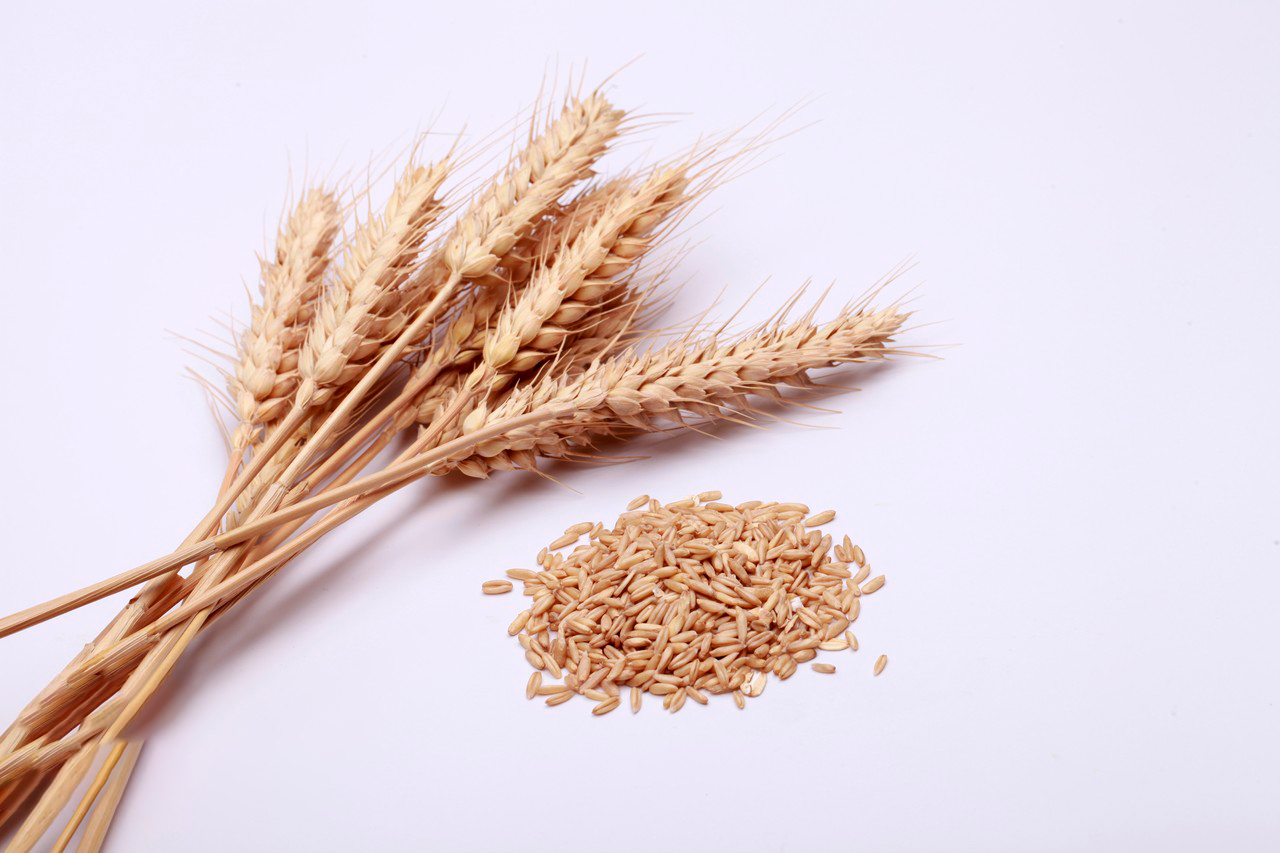
          • Grains: Rice, wheat, and oats (especially in their bran layers)
          • Fruits: Apples, oranges, and tomatoes
          • Vegetables: Spinach, eggplant, and beets
          • Seeds: Flaxseeds and sunflower seeds

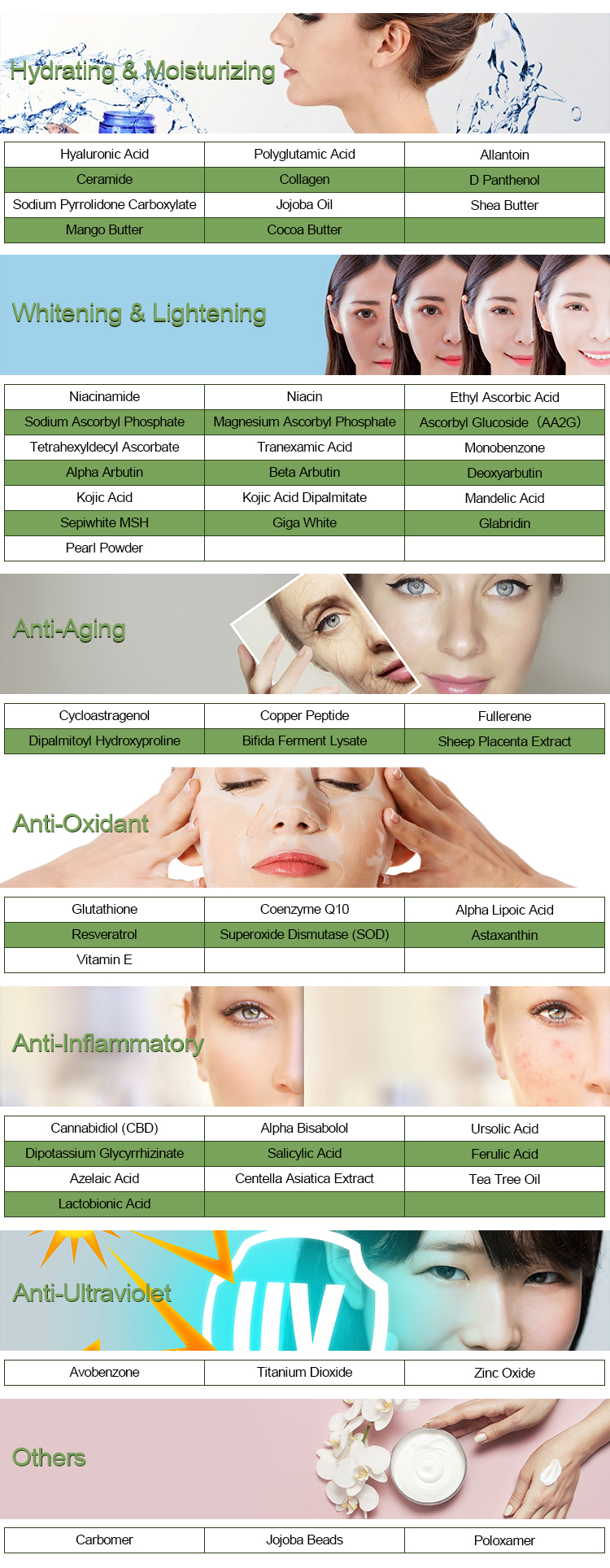
          It is widely used in skincare for its ability to boost the stability and efficacy of other antioxidants like Vitamin C and E.

          Adverse effects of Ferulic Acid

          Ferulic acid is a natural antioxidant commonly found in plants like rice bran, oats, and coffee. It is widely used in skincare products and supplements for its anti-inflammatory, anti-aging, and UV-protective properties. While ferulic acid is generally well-tolerated, some individuals may experience adverse effects. These include:

          1. Skin Irritation

          • Symptoms: Redness, itching, rash, or dryness.
          • Cause: Often due to individual skin sensitivity or the presence of other active ingredients in the product.
          • Risk Groups: Those with sensitive skin or a history of allergic reactions to skincare products.
          Basic ingredients of Ferulic Acid

          2. Allergic Reactions

          • Symptoms: Swelling, hives, or more severe reactions like difficulty breathing (rare).
          • Cause: Allergy to ferulic acid or other compounds in the formulation.
          • What to Do: Discontinue use and seek medical advice.

          3. Photosensitivity

          • Symptoms: Increased sensitivity to sunlight, leading to sunburn or skin discoloration.
          • Cause: Although ferulic acid is often combined with UV-protective agents, improper use or overuse can make the skin sensitive to the sun.
          • Preventive Measures: Always pair ferulic acid products with broad-spectrum sunscreen during daytime use.

          4. Stinging or Burning Sensation

          • Symptoms: Tingling or burning, especially when applied to broken or freshly exfoliated skin.
          • Cause: High concentration of ferulic acid or interaction with other active ingredients like vitamin C or retinol.
          • Management: Opt for lower concentrations or products formulated for sensitive skin.

          5. Discoloration or Staining

          • Symptoms: Temporary staining of the skin or clothing.
          • Cause: Oxidation of the product when exposed to air or light.
          • Solution: Store ferulic acid products in airtight, opaque containers.

          6. Systemic Reactions (with Oral Supplements)

          • Symptoms: Digestive issues, headaches, or dizziness (rare).
          • Cause: Overuse of ferulic acid supplements or interactions with other medications.
          • Precautions: Consult a healthcare provider before taking ferulic acid orally, especially if you have underlying health conditions or are on medication.
          Basic ingredients of Ferulic Acid

          Precautions

          • Always do a patch test before applying ferulic acid products to your face.
          • Use as directed by a dermatologist or product instructions.
          • Store products properly to maintain efficacy and reduce the risk of irritation.

          If you experience persistent or severe side effects, consult a healthcare professional.

          评论

          此博客中的热门博文

          Basic information of Collagen and Where you can buy Collagen CAS#9064-67-9?

            Collagen   is the most abundant protein in the human body, making up about 30% of the body’s total protein content. It plays a crucial role in providing structure, strength, and elasticity to various tissues and organs, including the skin, bones, tendons, ligaments, blood vessels, and even the cornea of the eyes. Types of Collagen There are at least 28 types of collagen, but the most common types are: Type I:  The most abundant form, found in skin, bones, tendons, and ligaments. Type II:  Found in cartilage and helps provide joint support. Type III:  Found in the skin, muscles, and blood vessels, often present alongside type I collagen. Type IV:  Found in the layers of the skin and the kidneys. Type V:  Found in the cornea of the eye, hair, and placenta. Structure of Collagen Collagen is made up of amino acids, primarily glycine, proline, and hydroxyproline. These amino acids form a triple-helix structure, which provides the tensile strength and...

          Comprehensive study on White Willow Extract

          Studying   white willow extract   involves exploring its botanical properties, historical uses, active compounds, potential health benefits, and safety considerations. Here’s a comprehensive overview: Botanical Overview: Scientific Name:  Salix alba Common Names:  White willow, European willow Description:  A deciduous tree native to Europe and Asia, known for its slender leaves and grayish bark. Active Compounds: Salicin:  Primary active compound, a natural precursor to salicylic acid. Flavonoids:  Including flavonols and catechins, contributing to antioxidant properties. Phenolic Glycosides:  Various compounds with potential health benefits. Historical Use: Traditional Medicine:  Used for centuries in traditional European and Asian medicine for pain relief, fever reduction, and inflammatory conditions. Health Benefits and Current Research: Pain Relief:  Acts similarly to aspirin in relieving pain and inflammation due to salicin’s conve...

          How best to use the Hericium Erinaceus Capsule?

            Hericium erinaceus, commonly known as lion’s mane mushroom, is a type of edible and medicinal mushroom with potential health benefits. Lion’s mane mushroom is often consumed in various forms, including capsules, powders, extracts, and as a whole food. If you have lion’s mane mushroom in capsule form ( Hericium erinaceus capsule ), here are some tips on how to use them effectively: Follow Dosage Instructions:  The dosage can vary depending on the concentration of the active ingredients in the capsules and individual factors such as age, weight, and health condition. Always follow the recommended dosage instructions provided on the product packaging or by a healthcare professional. Consistency is Key:  Like many supplements, lion’s mane may take time to produce noticeable effects. Consistent use over time is often more effective than sporadic usage. Stick to a regular dosing schedule to maximize the potential benefits. Take with Food:  It’s generally recommended to t...