跳至主要内容

Application of Chitosan Oligosaccharide

Chitosan oligosaccharide, derived from chitosan through hydrolysis, has several versatile applications owing to its bioactivity, biocompatibility, and biodegradability. Here are some key areas where it is used:

1. Agriculture

  • Plant Growth Promoter: Chitosan oligosaccharides enhance plant growth by stimulating seed germination, root development, and overall yield.
  • Pest and Disease Resistance: It acts as a biopesticide, helping plants defend against pathogens and pests by inducing their immune response.
  • Soil Health Improvement: It can improve soil microbial balance, supporting beneficial microbes and enhancing nutrient uptake in plants.

2. Food and Beverage Industry

  • Preservative and Antimicrobial Agent: With antimicrobial properties, it’s used to extend the shelf life of foods by inhibiting the growth of bacteria and fungi.
  • Edible Coatings: In fresh fruits, vegetables, and other perishable goods, chitosan oligosaccharide coatings can reduce moisture loss and spoilage.
  • Dietary Supplement: As a prebiotic, it may promote gut health by fostering the growth of beneficial gut bacteria.


3. Pharmaceuticals and Medicine

  • Drug Delivery: Due to its biocompatibility and ability to form nanostructures, it is used in drug delivery systems for controlled release, especially for drugs targeting specific sites in the body.
  • Antioxidant and Anti-Inflammatory Effects: It may be used in various treatments as it has antioxidant and anti-inflammatory properties, which can assist in wound healing and other medical conditions.
  • Antimicrobial Agent: Chitosan oligosaccharide has applications in wound dressings and antimicrobial agents to reduce infections.

4. Cosmetics and Personal Care Products

  • Moisturizer and Anti-Aging: With its excellent moisture-retention ability, it’s used in skincare products to improve hydration and elasticity, reducing the appearance of fine lines and wrinkles.
  • Antibacterial Agent: It helps protect against acne-causing bacteria in skincare products.
  • Hair Care: It can strengthen hair and reduce breakage when added to shampoos and conditioners.

5. Biotechnology and Biomedical Applications

  • Tissue Engineering: In combination with other materials, chitosan oligosaccharides support the development of scaffolds for tissue regeneration, such as skin, cartilage, and bone.
  • Gene Delivery: Its biocompatibility and low toxicity make it a candidate for gene delivery in genetic research and therapy.
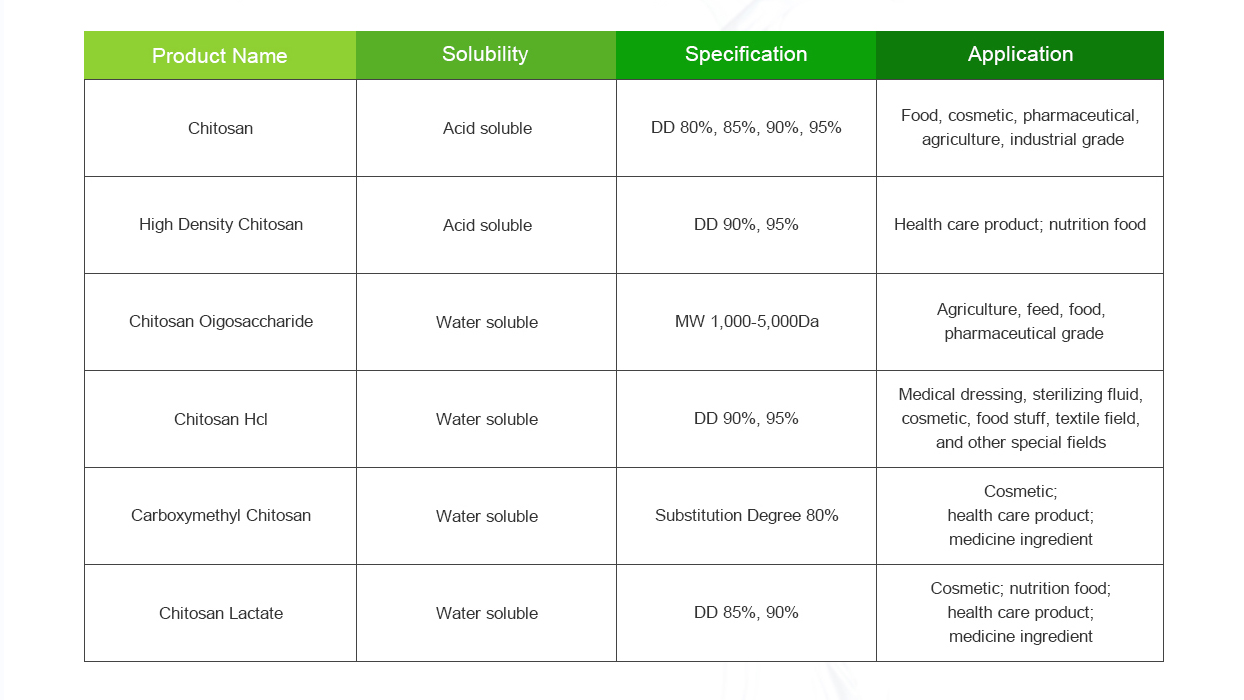
Application of Chitosan Oligosaccharide

6. Water Treatment

  • Heavy Metal Absorption: It can bind to heavy metals, helping in the removal of toxic elements from wastewater.
  • Antimicrobial Water Treatment: Due to its antimicrobial effects, it is sometimes used in water treatment to reduce bacterial contamination.

7. Animal Feed Additive

  • Growth Promoter: It is added to animal feed as a growth promoter and to improve immunity.
  • Prebiotic Effect: As with humans, chitosan oligosaccharides promote gut health in animals by fostering beneficial gut bacteria, which can improve digestion and overall health.

These applications highlight the diverse utility of chitosan oligosaccharide across sectors, contributing to sustainable, eco-friendly solutions in agriculture, healthcare, and industry.

评论

此博客中的热门博文

Basic information of Collagen and Where you can buy Collagen CAS#9064-67-9?

  Collagen   is the most abundant protein in the human body, making up about 30% of the body’s total protein content. It plays a crucial role in providing structure, strength, and elasticity to various tissues and organs, including the skin, bones, tendons, ligaments, blood vessels, and even the cornea of the eyes. Types of Collagen There are at least 28 types of collagen, but the most common types are: Type I:  The most abundant form, found in skin, bones, tendons, and ligaments. Type II:  Found in cartilage and helps provide joint support. Type III:  Found in the skin, muscles, and blood vessels, often present alongside type I collagen. Type IV:  Found in the layers of the skin and the kidneys. Type V:  Found in the cornea of the eye, hair, and placenta. Structure of Collagen Collagen is made up of amino acids, primarily glycine, proline, and hydroxyproline. These amino acids form a triple-helix structure, which provides the tensile strength and...

Comprehensive study on White Willow Extract

Studying   white willow extract   involves exploring its botanical properties, historical uses, active compounds, potential health benefits, and safety considerations. Here’s a comprehensive overview: Botanical Overview: Scientific Name:  Salix alba Common Names:  White willow, European willow Description:  A deciduous tree native to Europe and Asia, known for its slender leaves and grayish bark. Active Compounds: Salicin:  Primary active compound, a natural precursor to salicylic acid. Flavonoids:  Including flavonols and catechins, contributing to antioxidant properties. Phenolic Glycosides:  Various compounds with potential health benefits. Historical Use: Traditional Medicine:  Used for centuries in traditional European and Asian medicine for pain relief, fever reduction, and inflammatory conditions. Health Benefits and Current Research: Pain Relief:  Acts similarly to aspirin in relieving pain and inflammation due to salicin’s conve...

How best to use the Hericium Erinaceus Capsule?

  Hericium erinaceus, commonly known as lion’s mane mushroom, is a type of edible and medicinal mushroom with potential health benefits. Lion’s mane mushroom is often consumed in various forms, including capsules, powders, extracts, and as a whole food. If you have lion’s mane mushroom in capsule form ( Hericium erinaceus capsule ), here are some tips on how to use them effectively: Follow Dosage Instructions:  The dosage can vary depending on the concentration of the active ingredients in the capsules and individual factors such as age, weight, and health condition. Always follow the recommended dosage instructions provided on the product packaging or by a healthcare professional. Consistency is Key:  Like many supplements, lion’s mane may take time to produce noticeable effects. Consistent use over time is often more effective than sporadic usage. Stick to a regular dosing schedule to maximize the potential benefits. Take with Food:  It’s generally recommended to t...